Introduction
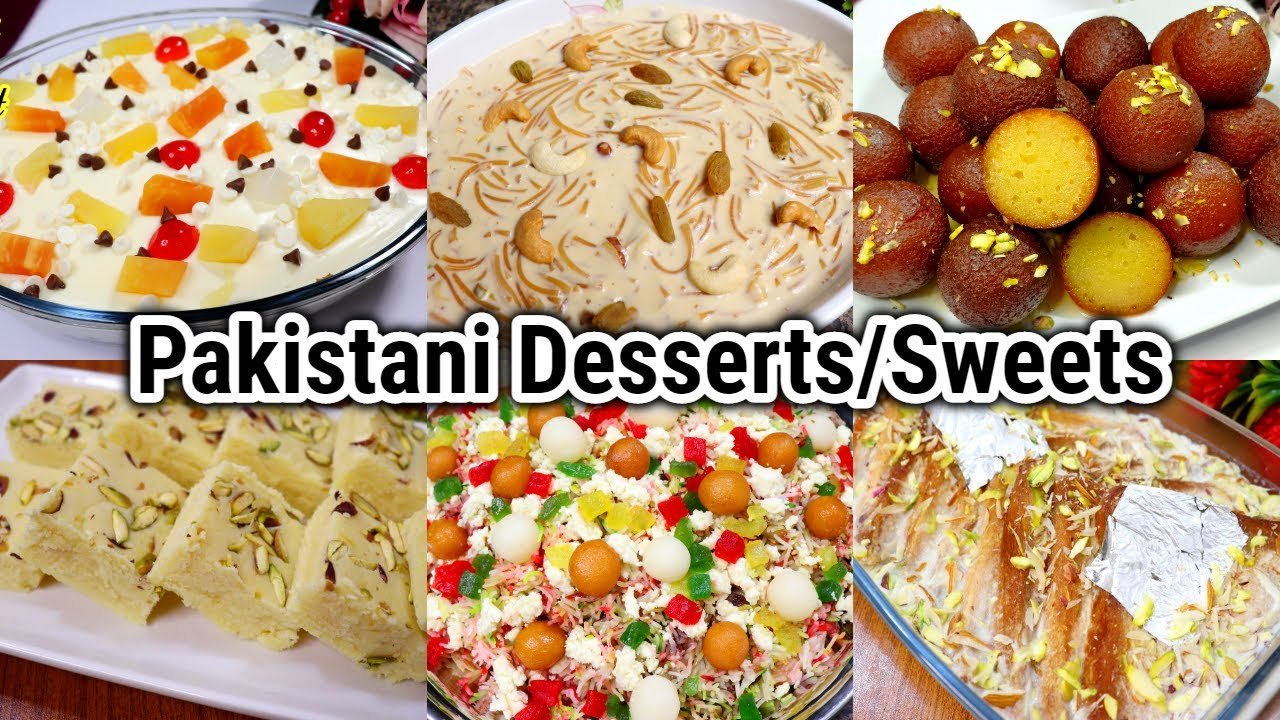
Pakistan is known for its rich culinary heritage, and desserts hold a special place in its food culture. From creamy milk-based sweets to syrup-soaked delicacies, the top 10 traditional Pakistani desserts you must taste reflect the country’s love for bold flavors and festive celebrations. These desserts are often prepared during weddings, religious festivals, and family gatherings, bringing people together over sweet treats. Many Pakistani sweets use ingredients like milk, sugar, cardamom, nuts, and saffron to create indulgent flavors. In this guide, you’ll discover some of the most popular traditional desserts that represent the authentic taste of Pakistani cuisine.
1. Gulab Jamun – Soft and Syrupy Delight
Gulab jamun is one of the most beloved Pakistani desserts. These soft, deep-fried milk-based dumplings are soaked in fragrant sugar syrup flavored with cardamom or rose water. Their rich sweetness and melt-in-the-mouth texture make them a favorite at weddings and celebrations.
2. Kheer – Creamy Rice Pudding
Kheer is a classic dessert made by slowly simmering rice with milk, sugar, and cardamom until thick and creamy. Often garnished with almonds, pistachios, or raisins, this dessert is commonly served at family gatherings and festive occasions.
3. Jalebi – Crispy Sweet Spiral
Jalebi is a popular street-style dessert made by frying fermented batter in spiral shapes and soaking it in sugar syrup. Its crispy exterior and juicy interior create a unique texture that is enjoyed with milk or tea.
4. Barfi – Rich Milk-Based Sweet
Barfi is a dense sweet made from condensed milk and sugar, often flavored with pistachios, coconut, or saffron. Its soft texture and rich flavor make it a traditional dessert often gifted during festivals.
5. Ras Malai – Soft Cheese Dumplings in Milk
Ras malai consists of soft cheese dumplings soaked in sweetened, thickened milk flavored with saffron and cardamom. The dessert has a delicate texture and mild sweetness that makes it incredibly satisfying.
6. Gajar Ka Halwa – Carrot Dessert Favorite
Gajar ka halwa is a winter specialty made with grated carrots cooked in milk, sugar, and ghee. The addition of nuts and cardamom enhances its flavor. This dessert is especially popular during colder months in Pakistan.
7. Kulfi – Traditional Frozen Dessert
Kulfi is a traditional Pakistani ice cream made with thickened milk, sugar, and cardamom. Unlike regular ice cream, kulfi is denser and richer. Popular flavors include pistachio, mango, and saffron.
8. Rabri – Thickened Sweet Milk
Rabri is made by slowly cooking milk until it becomes thick and creamy. Flavored with cardamom and topped with nuts, it is often served chilled and sometimes paired with jalebi for a delicious combination.
9. Shahi Tukray – Royal Bread Pudding
Shahi tukray is a royal dessert made from fried bread slices soaked in sweetened milk and topped with nuts and saffron. Its rich flavor and creamy texture make it a luxurious dessert commonly served during festive meals.
10. Falooda – Sweet Layered Dessert Drink
Falooda is a refreshing dessert drink made with milk, rose syrup, vermicelli noodles, basil seeds, and ice cream. Its layered texture and colorful appearance make it a favorite during summer months.
11. Importance of Milk in Pakistani Desserts
Many traditional Pakistani desserts rely heavily on milk and dairy products. Ingredients like condensed milk, cream, and khoya create rich textures that give these sweets their signature taste and indulgent quality.
12. Use of Aromatic Spices
Cardamom, saffron, and rose water are commonly used in Pakistani sweets. These aromatic ingredients enhance flavor and provide a unique fragrance that distinguishes traditional desserts from other cuisines.
13. Desserts for Festive Occasions
Pakistani desserts are often associated with celebrations such as Eid, weddings, and family gatherings. Preparing and sharing sweets during these occasions symbolizes hospitality and joy.
14. Street Desserts in Pakistan
Many desserts like jalebi and kulfi are commonly sold in local markets and food streets. These street desserts provide an authentic taste of traditional sweets enjoyed by locals every day.
15. Homemade vs. Store-Bought Sweets
While many people buy sweets from local bakeries, homemade desserts offer a special touch. Preparing traditional desserts at home allows you to control ingredients and customize sweetness levels.
16. Traditional Cooking Techniques
Pakistani desserts often require slow cooking techniques to achieve the perfect texture. Simmering milk for extended periods creates the rich consistency that many classic sweets are known for.
17. Pairing Desserts with Tea
Many Pakistani sweets are enjoyed with tea after meals or during evening gatherings. The combination of sweet desserts and hot tea creates a balanced and comforting experience.
18. Cultural Significance of Pakistani Desserts
Traditional desserts represent more than just food—they reflect cultural traditions and family values. Recipes are often passed down through generations, preserving culinary heritage.
SEO Meta Description
Discover the top 10 traditional Pakistani desserts you must taste, including gulab jamun, kheer, jalebi, and other classic sweets loved across Pakistan.
Focus Keywords
top 10 traditional Pakistani desserts you must taste
Pakistani desserts
traditional Pakistani sweets
famous Pakistani desserts
Pakistani sweet dishes
popular Pakistani desserts
authentic Pakistani sweets
Pakistani dessert recipes
FAQ Section
1. What is the most famous Pakistani dessert?
Gulab jamun and kheer are among the most famous Pakistani desserts. Both are widely served at weddings, festivals, and family celebrations.
2. Are Pakistani desserts very sweet?
Many traditional Pakistani sweets are rich and sweet because they use sugar syrup, milk, and condensed milk. However, sweetness levels can be adjusted when prepared at home.
3. Which Pakistani dessert is best for summer?
Falooda and kulfi are popular summer desserts because they are served chilled and provide refreshing sweetness during hot weather.
4. Are Pakistani desserts difficult to make?
Some desserts require slow cooking techniques, but many recipes like kheer or gajar ka halwa can be made at home with simple ingredients and patience.
5. What ingredients are commonly used in Pakistani sweets?
Common ingredients include milk, sugar, ghee, cardamom, saffron, nuts, and flour, which create the rich flavors found in traditional desserts.
Internal Linking Suggestions
- 15 Delicious Desserts You Can Make Without an Oven
- Best Pakistani Food Recipes Everyone Should Try
- Best Street Foods in Pakistan You Must Try Once
Conclusion
The top 10 traditional Pakistani desserts you must taste showcase the rich flavors and cultural heritage of Pakistani cuisine. From creamy kheer and soft gulab jamun to crispy jalebi and refreshing falooda, these sweets represent the country’s love for indulgent desserts. Whether enjoyed at festive celebrations or casual family gatherings, Pakistani desserts continue to bring joy and sweetness to every occasion. Exploring these traditional treats offers a delicious glimpse into Pakistan’s vibrant food culture.