Introduction
Losing weight in a healthy and sustainable way starts with choosing the right foods. Instead of extreme dieting or skipping meals, a balanced nutrition strategy helps your body burn fat while maintaining energy and muscle mass. The best diet plan for weight loss – foods you should eat focuses on nutrient-dense ingredients such as lean proteins, whole grains, healthy fats, and fiber-rich vegetables. These foods support metabolism, reduce hunger, and keep you satisfied longer. In this guide, you’ll learn about the most effective foods to include in a weight loss diet plan and how they help promote long-term health and sustainable results.
1. Start Your Diet Plan with High-Protein Foods
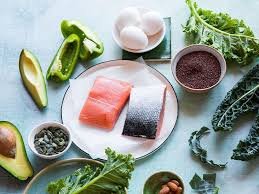
Protein plays a crucial role in any successful weight loss diet plan. Foods such as eggs, chicken, fish, beans, and Greek yogurt help increase fullness and reduce cravings. Protein also supports muscle maintenance, which is important for maintaining a healthy metabolism during weight loss.
2. Include Leafy Green Vegetables Daily
Leafy greens like spinach, kale, and lettuce are low in calories but rich in vitamins and minerals. These vegetables provide fiber that supports digestion while helping you feel full without consuming excess calories.
3. Choose Whole Grains Instead of Refined Carbs
Whole grains such as brown rice, quinoa, and oats provide complex carbohydrates that release energy slowly. Unlike refined carbohydrates, they help stabilize blood sugar levels and reduce sudden hunger spikes during the day.
4. Eat Healthy Fats in Moderation
Healthy fats from foods like avocados, olive oil, nuts, and seeds support heart health and help maintain satiety. Including moderate amounts of these fats in your diet plan helps control appetite and improves nutrient absorption.
5. Add Fiber-Rich Fruits to Your Meals
Fruits such as apples, berries, oranges, and pears contain natural sugars along with fiber. This combination provides energy while preventing rapid spikes in blood sugar, making fruits a healthy addition to a weight loss diet.
6. Include Lean Protein Sources
Lean protein foods such as chicken breast, turkey, tofu, and fish are excellent choices for weight management. They provide essential amino acids while keeping calorie intake lower compared to higher-fat protein sources.
7. Eat Eggs for a Filling Breakfast
Eggs are one of the most nutritious breakfast options in a weight loss diet plan. Their high protein content helps reduce hunger later in the day and supports muscle health during calorie reduction.
8. Drink Plenty of Water Throughout the Day
Hydration plays an important role in metabolism and appetite control. Drinking water before meals may help reduce calorie intake while supporting digestion and nutrient absorption.
9. Include Yogurt for Gut Health
Yogurt, especially Greek yogurt, contains probiotics that support digestive health. A healthy gut microbiome may help improve metabolism and support weight management when combined with a balanced diet.
10. Choose Healthy Snack Options
Healthy snacks such as nuts, fruits, yogurt, and boiled eggs help prevent overeating between meals. Balanced snacks provide nutrients and maintain energy levels without adding unnecessary calories.
11. Limit Processed and Sugary Foods
Processed foods and sugary snacks often contain high calories with little nutritional value. Reducing these foods in your diet plan helps control calorie intake and supports healthier eating habits.
12. Add Legumes and Beans for Plant Protein
Lentils, chickpeas, and beans are excellent sources of plant-based protein and fiber. These foods keep you full longer and provide essential nutrients while supporting healthy digestion.
13. Use Portion Control for Balanced Meals
Even healthy foods can contribute to weight gain if eaten in large amounts. Portion control helps maintain a calorie deficit while still allowing you to enjoy a variety of nutritious foods.
14. Include Healthy Breakfast Choices
Starting the day with balanced meals such as oatmeal, eggs, or yogurt helps regulate appetite throughout the day. A healthy breakfast prevents overeating and supports steady energy levels.
15. Add Colorful Vegetables to Every Meal
Vegetables like bell peppers, carrots, broccoli, and tomatoes provide vitamins, antioxidants, and fiber. Eating a variety of colorful vegetables ensures your body receives essential nutrients while keeping calories low.
16. Plan Your Meals in Advance
Meal planning helps avoid unhealthy food choices when you’re busy or tired. Preparing balanced meals in advance ensures your diet stays consistent and supports your weight loss goals.
17. Focus on Nutrient-Dense Foods
The best diet plan for weight loss emphasizes foods that provide high nutrition with moderate calories. Nutrient-dense foods support overall health while helping maintain a calorie deficit.
18. Maintain Consistency in Your Diet Plan
Long-term success depends on consistency rather than short-term dieting. Building sustainable eating habits ensures that weight loss results are easier to maintain over time.
SEO Meta Description
Discover the best diet plan for weight loss – foods you should eat to burn fat, boost metabolism, and maintain energy with healthy and balanced meals.
Focus Keywords
best diet plan for weight loss
foods for weight loss diet
healthy diet plan foods
best foods to lose weight
weight loss meal plan
healthy eating for fat loss
balanced diet for weight loss
nutrition for weight management
FAQ Section
1. What foods should I eat for weight loss?
Foods rich in protein, fiber, and healthy fats are ideal for weight loss. Examples include eggs, lean meats, vegetables, fruits, whole grains, nuts, and yogurt.
2. How many meals should I eat in a weight loss diet?
Most experts recommend three balanced meals with one or two healthy snacks depending on individual energy needs and lifestyle.
3. Are carbohydrates bad for weight loss?
Not necessarily. Whole grains and complex carbohydrates provide energy and fiber that support digestion and overall health when consumed in appropriate portions.
4. Can I lose weight without skipping meals?
Yes. Skipping meals can lead to overeating later. A balanced diet with regular meals helps maintain energy levels and supports sustainable weight loss.
5. What is the most important factor in weight loss?
Maintaining a calorie deficit while consuming nutrient-dense foods and staying physically active is the most effective strategy for long-term weight loss.
Internal Linking Suggestions
- 20 Healthy Snacks for Weight Loss and Energy
- 10 Best High Protein Foods for Weight Loss
- Top 15 Healthy Breakfast Recipes for a Perfect Morning
Conclusion
Following the best diet plan for weight loss – foods you should eat focuses on balanced nutrition rather than strict restrictions. By including lean proteins, whole grains, fruits, vegetables, and healthy fats, you can maintain energy while reducing calorie intake. Consistency, portion control, and nutrient-dense foods are key to achieving long-term results. When combined with healthy lifestyle habits, this approach supports sustainable weight management and overall well-being.