Introduction
Biryani is one of the most loved rice dishes in South Asian cuisine, known for its rich aroma, bold spices, and perfectly layered flavors. Many people enjoy restaurant-style biryani but believe it’s difficult to recreate at home. The good news is that learning how to make restaurant style biryani at home is easier than it seems when you understand the right ingredients, cooking techniques, and layering methods. From selecting high-quality basmati rice to balancing spices and marinating the meat, every step contributes to the final flavor. In this guide, you’ll learn practical tips and techniques to cook flavorful, authentic biryani in your own kitchen.
1. Choose High-Quality Basmati Rice
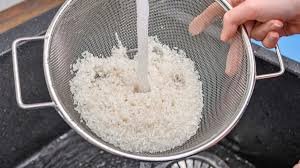
The foundation of great biryani is long-grain basmati rice. Premium basmati rice cooks into fluffy, separate grains that absorb flavors beautifully. Always rinse the rice thoroughly and soak it for about 30 minutes before cooking to achieve the perfect texture.
2. Select Fresh and Tender Meat
Restaurant-style biryani often uses chicken, mutton, or beef. Choosing fresh and tender meat helps improve the final taste and texture. Chicken thighs or bone-in pieces are ideal because they remain juicy and flavorful during the cooking process.
3. Marinate the Meat for Maximum Flavor
Marinating is one of the most important steps when learning how to make restaurant style biryani at home. Use yogurt, ginger-garlic paste, spices, and lemon juice. Let the meat marinate for at least one hour so the flavors penetrate deeply.
4. Use Whole Aromatic Spices
Whole spices like cardamom, cinnamon, cloves, bay leaves, and star anise provide authentic biryani aroma. Cooking these spices in hot oil releases their natural oils and creates a strong flavor base for the dish.
5. Prepare Golden Fried Onions
Crispy fried onions add sweetness and depth to biryani. Slice onions thinly and fry them until golden brown. These onions are used both in the gravy and as a topping for layering the rice.
6. Cook Rice Until 70% Done
One key secret to restaurant-style biryani is partially cooking the rice before layering. Boil the soaked rice with whole spices until it is about 70% cooked. This prevents the rice from becoming mushy during final steaming.
7. Create a Rich Masala Base
The masala is the heart of biryani flavor. Cook onions, tomatoes, ginger-garlic paste, yogurt, and spices until the oil separates from the mixture. This step ensures the gravy becomes thick, aromatic, and well balanced.
8. Use Fresh Herbs for Authentic Flavor
Fresh coriander and mint leaves are essential for biryani. They add brightness and freshness that balances the richness of the spices and meat. Sprinkle these herbs generously between the layers of rice.
9. Layer the Rice and Meat Properly
Layering is what gives biryani its signature taste. Spread the cooked meat masala at the bottom of the pot, then add partially cooked rice on top. Repeat layers and finish with herbs, fried onions, and saffron milk.
10. Add Saffron or Food Color
Saffron soaked in warm milk adds beautiful color and aroma to biryani. If saffron is unavailable, a small amount of food coloring can be used. This step gives biryani the vibrant appearance often seen in restaurants.
11. Use the Dum Cooking Method
The dum method involves sealing the pot and cooking the biryani on very low heat. This technique allows the steam to circulate inside the pot, helping the rice absorb the flavors from the meat and spices.
12. Seal the Pot for Perfect Steaming
To replicate restaurant-style biryani, seal the lid tightly using dough or a heavy lid. This prevents steam from escaping and ensures the rice cooks evenly while absorbing all the aromatic flavors.
13. Maintain Low Heat During Dum
Cooking biryani on low heat prevents burning and allows flavors to blend slowly. High heat can overcook the rice or dry out the meat, so patience is essential during the final steaming stage.
14. Let the Biryani Rest Before Serving
After cooking, allow the biryani to rest for 10 minutes before opening the lid. This resting period helps the rice settle and allows the flavors to distribute evenly throughout the dish.
15. Serve with Traditional Side Dishes
Restaurant-style biryani is often served with cooling side dishes like raita (yogurt sauce), salad, or pickles. These sides balance the spices and enhance the overall dining experience.
16. Balance Spices Carefully
Authentic biryani relies on balanced spices rather than excessive heat. Use measured amounts of chili powder, turmeric, garam masala, and cumin to maintain harmony between spice, aroma, and richness.
17. Use Ghee for Rich Flavor
Many restaurants use ghee instead of regular oil when cooking biryani. Ghee enhances aroma and adds depth to the dish. A small amount mixed with the rice layers can elevate the final flavor.
18. Practice Makes Perfect
Learning how to make restaurant style biryani at home improves with practice. Each attempt helps you understand spice balance, rice texture, and layering techniques, making future batches even better.
SEO Meta Description
Learn how to make restaurant style biryani at home with simple tips, authentic spices, and cooking techniques for flavorful and aromatic homemade biryani.
Focus Keywords
how to make restaurant style biryani at home
restaurant style chicken biryani
homemade biryani recipe
authentic biryani cooking tips
Pakistani biryani recipe
easy biryani recipe at home
biryani cooking method
traditional biryani recipe
FAQ Section
1. What makes restaurant-style biryani different?
Restaurant-style biryani focuses on strong aroma, balanced spices, and perfect rice texture. Techniques like marinating meat, using whole spices, and cooking with the dum method create deeper flavor.
2. Which rice is best for biryani?
Long-grain basmati rice is the best choice for biryani. It remains fluffy after cooking and absorbs spices well without becoming sticky.
3. Why is my biryani rice mushy?
Mushy biryani usually happens when the rice is fully cooked before layering. Always parboil the rice to about 70% doneness before the dum cooking stage.
4. Can I make biryani without saffron?
Yes, saffron adds aroma and color but is optional. Some cooks use turmeric, food coloring, or simply rely on spices and herbs for flavor.
5. How long should biryani cook on dum?
Biryani usually cooks on dum for about 15–25 minutes on low heat. This allows the rice to absorb flavors from the meat and spices.
Internal Linking Suggestions
- Best Pakistani Food Recipes Everyone Should Try
- Best Street Foods in Pakistan You Must Try Once
- 10 Quick and Easy Chicken Recipes for Beginners
Conclusion
Learning how to make restaurant style biryani at home allows you to enjoy one of the most iconic dishes of South Asian cuisine without visiting a restaurant. By choosing quality ingredients, balancing spices, and using traditional techniques like marination and dum cooking, you can recreate the rich aroma and flavor of authentic biryani. With practice and patience, homemade biryani can become just as delicious as the restaurant version while giving you full control over ingredients and taste.